Hot Springs
Tolovana Hot Springs, LTD
Fairbanks, AK
Remote backcountry hot springs accessible by trail or air; rustic cabins available
From volcanic wilderness pools in Idaho to historic thermal waters in Arkansas, explore the full spectrum of natural hot springs in the United States.
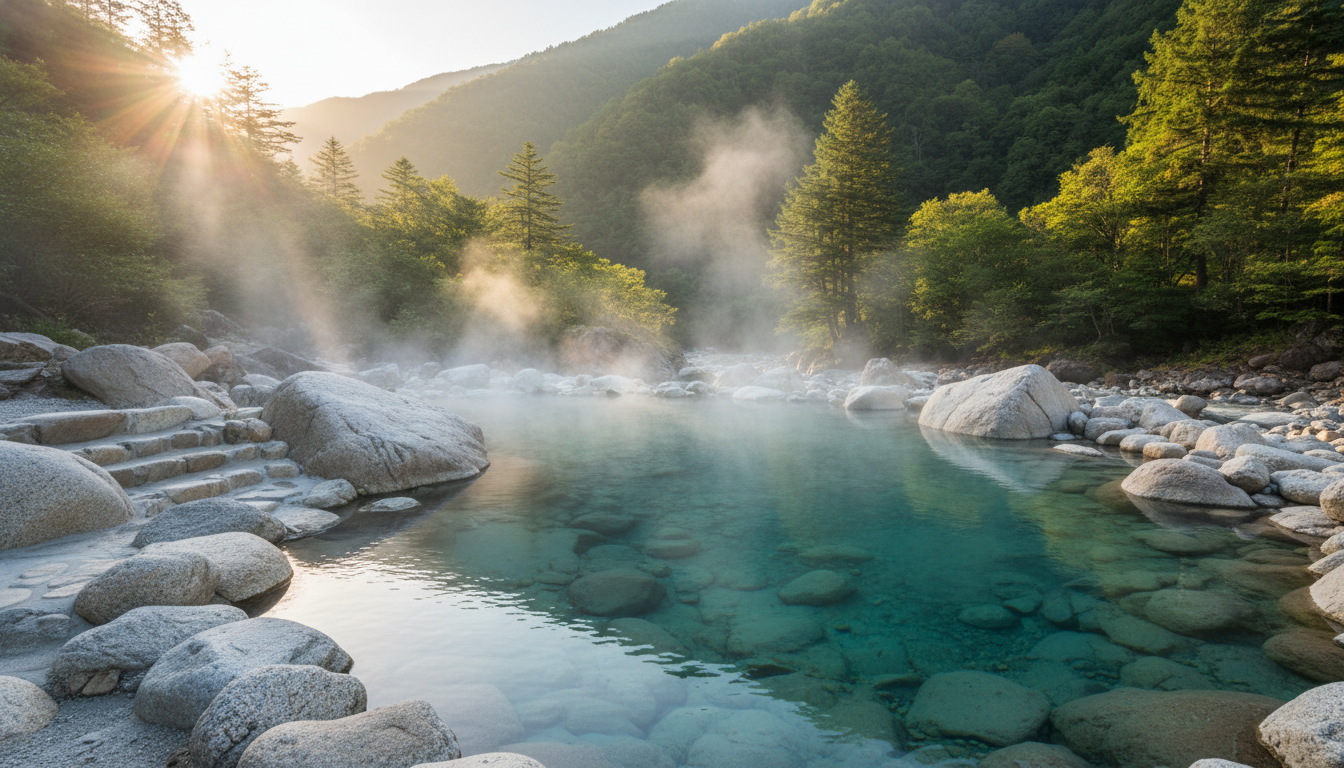
America sits atop some of the most geothermally active terrain on Earth. The Rocky Mountain corridor, the Cascades volcanic arc, and the Basin and Range province produce hundreds of natural hot springs where mineral-rich water rises from deep underground at temperatures perfect for bathing. These springs have been sacred gathering places for Indigenous peoples for thousands of years, and today they draw millions of visitors seeking relaxation, healing, and connection with nature.
Our directory catalogs every type of natural hot spring experience available in the United States — from roadside soaking pools you can pull up to in minutes, to backcountry springs that require hours of hiking through pristine wilderness. Whether the water is crystal clear or opaque with dissolved minerals, fed by volcanic heat or warmed by deep earth gradients, each spring has its own character shaped by the geology and landscape around it.
Water temperatures range from barely warm (around 90°F) to scalding (over 150°F at the source), with most developed springs maintaining pools between 100°F and 108°F — the sweet spot for a comfortable, therapeutic soak. Mineral content varies widely too: some springs are rich in sulfur, others in lithium, calcium, or silica, each lending the water different colors, textures, and reputed health benefits.
Undeveloped pools in their natural state, often on public BLM or Forest Service land. No facilities, no fees — just you and the earth. Access may require hiking, river crossings, or dirt roads.
Springs that have been improved with stone or concrete pools, changing areas, and basic facilities while preserving the natural setting. Usually charge a modest day-use fee.
Fully developed facilities with multiple pools at controlled temperatures, lodging, restaurants, and spa services. The most accessible option but furthest from the wild experience.
Springs located right next to roads or within short walks from parking areas. These are the easiest to access and perfect for spontaneous soaks during road trips.
Also available in: Arizona, Texas, Alaska, Nevada, Utah, Arkansas, New York, Washington, West Virginia, Florida and more
Fairbanks, AK
Remote backcountry hot springs accessible by trail or air; rustic cabins available
Sitka, AK
USFS-maintained hot springs cabin on Chichagof Island, accessible by boat or floatplane
Fairbanks, AK
Year-round resort with natural hot springs, aurora viewing, ice museum, and geothermal energy tours
Tenakee Springs, AK
Community bathhouse in small Alaskan village accessible only by ferry or floatplane
Manley Hot Springs, AK
Historic hot springs in remote Alaska village with natural soaking pools
Castle Hot Springs, AZ
Luxury desert resort dating to late 1800s with natural spring-fed pools in Sonoran Desert
Safford, AZ
Private hot mineral spring tubs in southeastern Arizona desert setting
Safford, AZ
Mineral spa with private hot spring soaking rooms in the Gila Valley
Safford, AZ
BLM recreation area with hot spring-fed tubs amid sand dunes
Hot Springs, AR
Historic bathhouse on Bathhouse Row in Hot Springs National Park offering thermal baths and spa services
Explore hundreds of natural hot springs and thermal resorts nationwide.