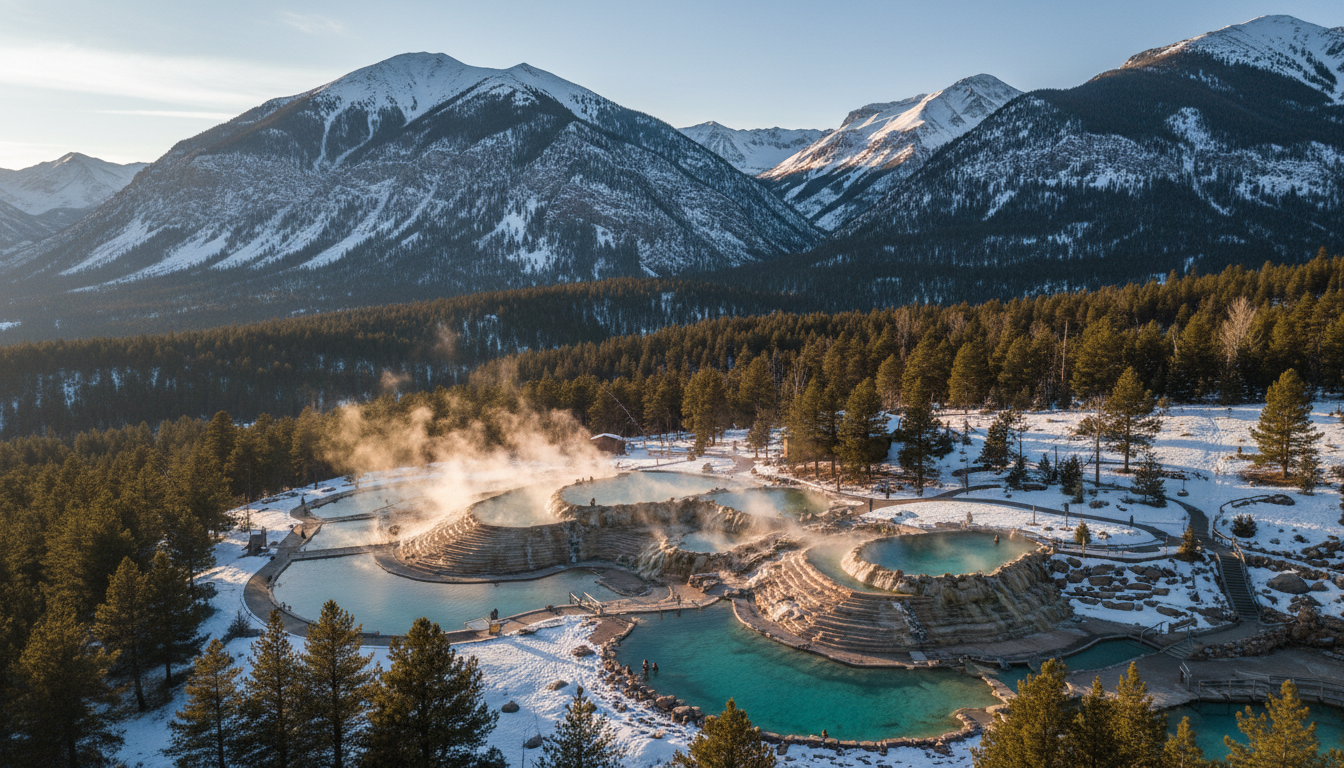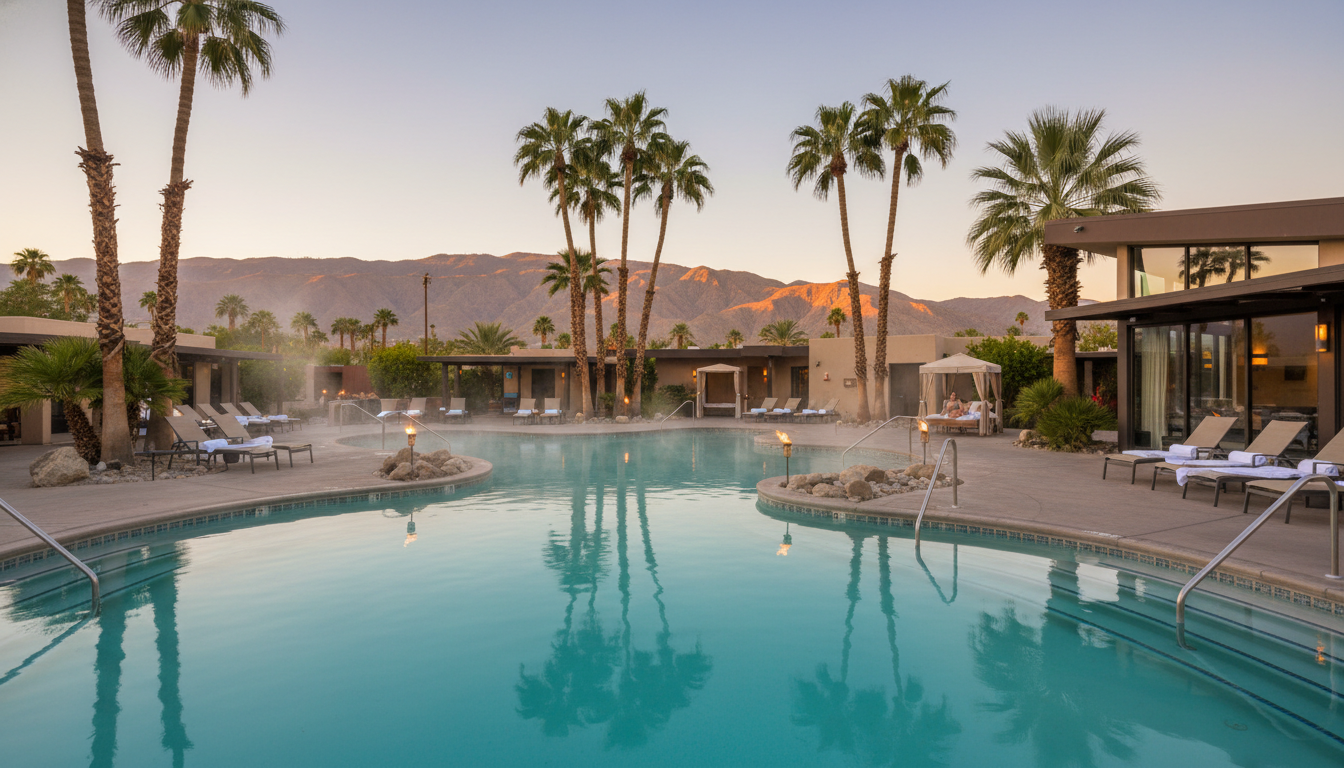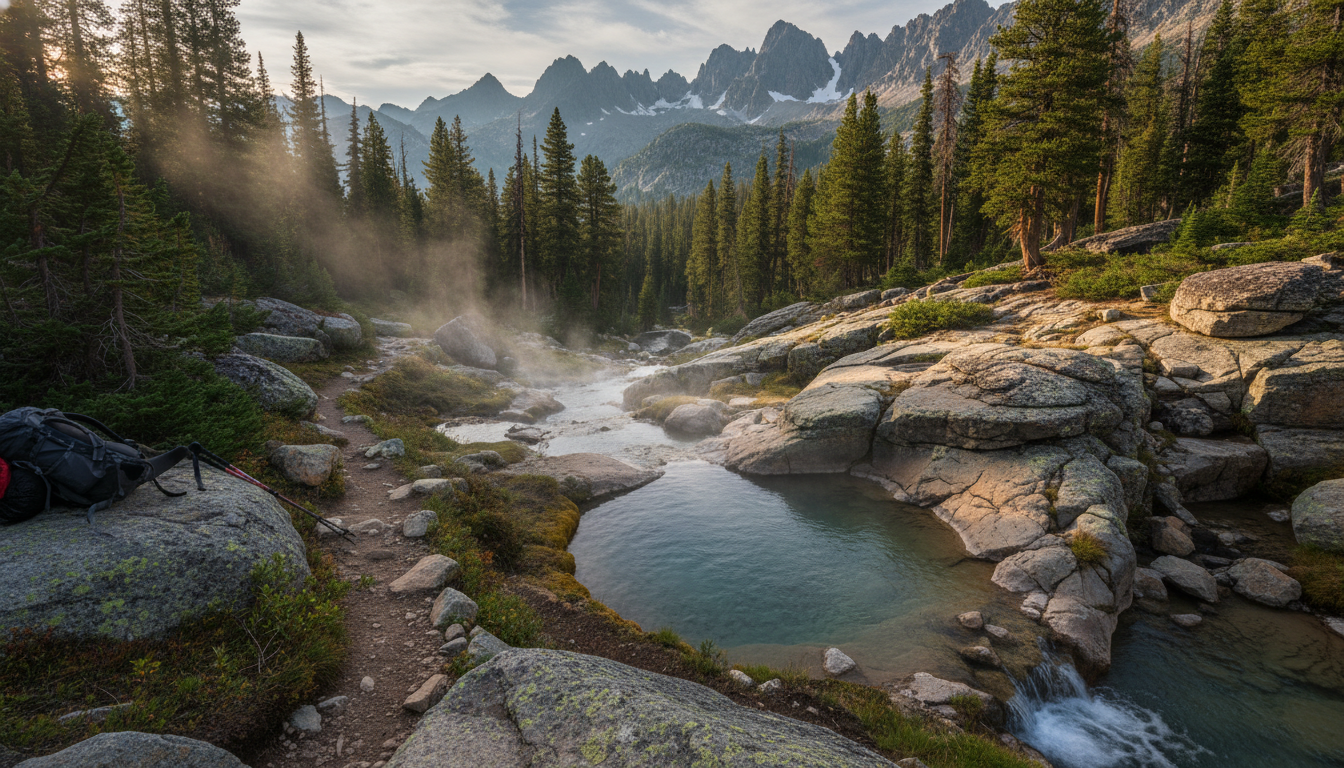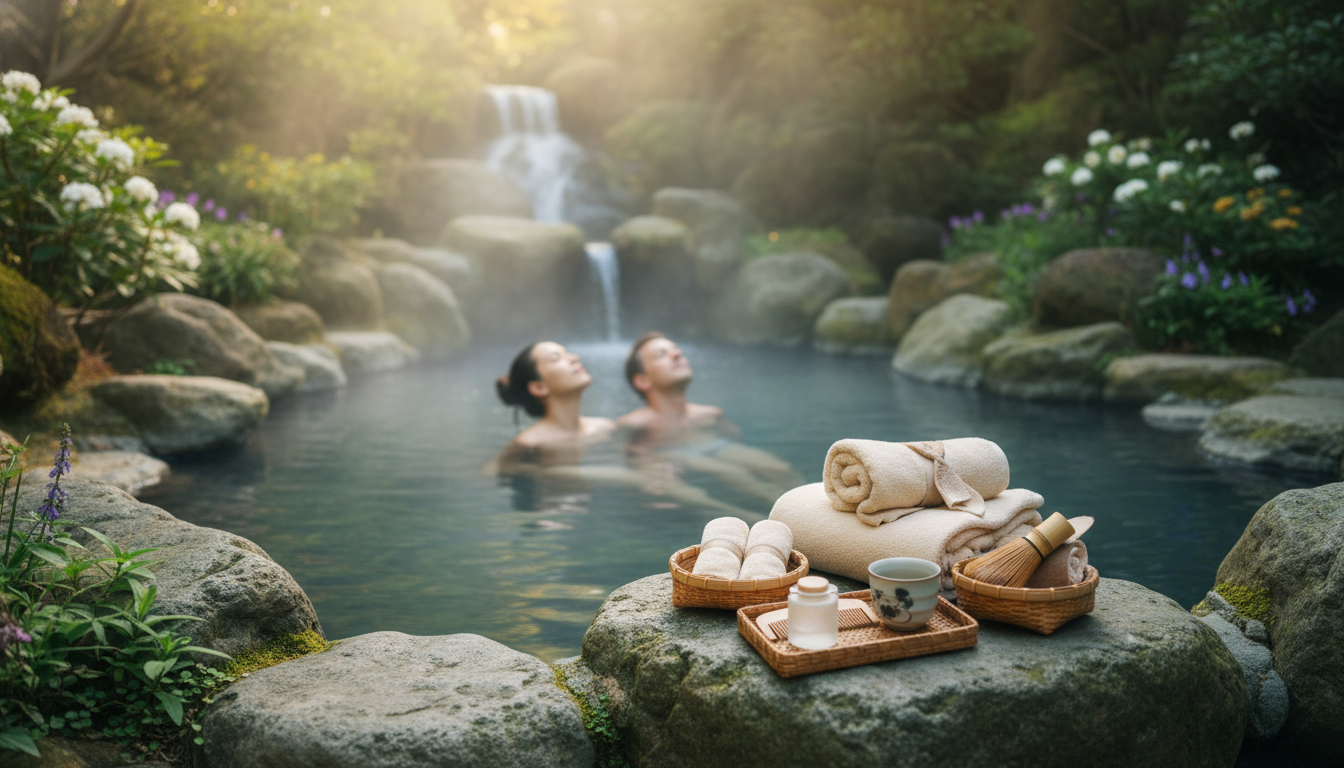
Hot springs are shared spaces — sometimes natural pools in remote wilderness, sometimes developed resorts with dozens of visitors. Either way, following proper etiquette ensures everyone has a great experience and these fragile natural resources are protected for future soakers.
Whether you're a first-timer heading to your first hot spring or a veteran soaker who wants a refresher, these 12 rules cover everything you need to know.
1. Shower Before You Get In — Every Single Time
This is the number one rule of hot spring etiquette, and it's non-negotiable. Rinse off all sunscreen, lotions, insect repellent, dirt, and sweat before entering any hot spring pool. Developed springs provide shower facilities for this purpose. At primitive springs, wade into a nearby stream or pour water over yourself before entering the pool.
Why it matters: Hot spring water is often untreated or minimally treated. Introducing contaminants degrades water quality for everyone and can disrupt the delicate mineral chemistry that makes these springs special.
2. Respect the Clothing Policy
Hot springs have widely varying clothing policies, and getting this wrong can create an awkward situation for everyone:
- Swimsuits required: Most developed resort springs (Glenwood Hot Springs, The Springs Resort, etc.)
- Clothing-optional: Some developed springs switch to optional after dark (Strawberry Park) or are optional all day (Orvis, Valley View)
- Traditionally nude: Many primitive/wilderness springs have an established nude soaking culture
The key rule: Match the established norm of the specific spring you're visiting. Check their website or signage before you go. If you arrive and aren't sure, observe what others are doing or ask a staff member.
3. Keep the Volume Down
Hot springs are places of relaxation and contemplation — not pool parties. This is consistently the most common complaint at popular springs.
- Keep conversations at a respectful, conversational volume
- Leave Bluetooth speakers at home — this is a universal no
- If you want music, use a single earbud at low volume
- If you're with a group, be aware that your collective volume adds up fast
💡 The Unwritten Rule: If you can hear your own group from 30 feet away, you're too loud. Many soakers have driven hours for quiet relaxation — respect that.
4. No Glass — Ever
Broken glass in or around a hot spring is dangerous and nearly impossible to fully clean up, especially in natural-bottom pools. Bring beverages in cans, plastic bottles, or insulated tumblers only. Many springs ban alcohol entirely — check the rules before packing a cooler.
5. Leave No Trace (Especially at Primitive Springs)
Pack out everything you bring in — and pick up any litter you find. This is especially critical at undeveloped wilderness springs where there are no trash cans or staff. These natural pools survive because visitors take care of them.
- Pack out all food wrappers, cans, and bottles
- Don't leave cigarette butts (a surprisingly common problem)
- Use restroom facilities where available; otherwise, follow Leave No Trace waste disposal practices (200+ feet from water sources)
- Never move, stack, or remove rocks from the spring structure
6. Mind Your Space
Hot spring pools are often small. Basic spatial awareness goes a long way:
- Don't crowd other soakers — if a pool is small and occupied, ask before joining
- Avoid splashing, kicking, or creating waves
- Don't claim the best seat and stay for hours during peak times
- If someone is clearly meditating or soaking solo, give them space rather than starting a conversation
7. Respect the Source
Hot spring vents and geological features are fragile and irreplaceable:
- Never throw rocks, coins, or debris into spring vents or pools
- Don't try to redirect or dam natural water flows (unless it's a creek-mixing spring like Mt. Princeton)
- Don't dig or excavate around the spring source
- Stay on established trails to avoid trampling surrounding vegetation
8. Time Your Soak at Busy Locations
At popular springs, be mindful of how long you occupy a pool — especially a small or prime-location one. A good guideline:
- Busy times: Limit to 20–30 minutes per pool, then rotate
- Quiet times: Soak as long as you're comfortable (your body will tell you when you've had enough)
- Health recommendation: 15–20 minutes in water above 104°F, with breaks between sessions
9. Ask Before Taking Photos
Many hot springs — especially clothing-optional ones — prohibit photography entirely. Even where it's allowed, always ask anyone who might appear in your frame for permission first. Many soakers specifically come to unplug and don't want to end up on someone's social media.
10. Keep Pets Away Unless Explicitly Allowed
Most hot springs do not allow dogs or other pets in or near the pools, for both hygiene and safety reasons (hot water can be dangerous for pets). A few primitive springs are more relaxed about this — but when in doubt, leave pets at home or in the car with appropriate care.
11. Know the Health Basics
- Don't soak with open wounds or active infections
- Stay well hydrated — drink water before, during, and after soaking
- Pregnant visitors should consult a doctor first (water above 101°F is generally not recommended during pregnancy)
- Don't submerge your head — amoeba risk exists in all warm natural water
- Never soak while intoxicated — alcohol + hot water impairs your ability to sense overheating
12. Share What You Know, Not Locations
If you discover a hidden or lightly-visited primitive hot spring, think carefully before sharing the exact location on social media. Geotagging fragile natural springs has led to overcrowding, vandalism, and even permanent closures at several beloved soaking spots in Idaho, Oregon, and California.
Share the experience — not the GPS coordinates. The hot springs community calls this "keeping the secret" and it's one of the most important unwritten rules.
Frequently Asked Questions
What if I accidentally break an etiquette rule?
Don't stress. Most hot springs communities are welcoming to newcomers. If someone politely corrects you, just say thanks and adjust. The fact that you're reading this guide already puts you ahead of most first-timers.
Is it rude to talk to strangers at a hot spring?
Context matters. Brief, friendly conversation is usually welcome. But if someone gives short answers, closes their eyes, or turns away, they probably want to soak in peace. Read the room — literally.
What do I do at a clothing-optional spring if I'm not comfortable being nude?
"Optional" means exactly that — it's your choice. You can absolutely wear a swimsuit at a clothing-optional spring. Nobody will judge you either way. Do what makes you comfortable.